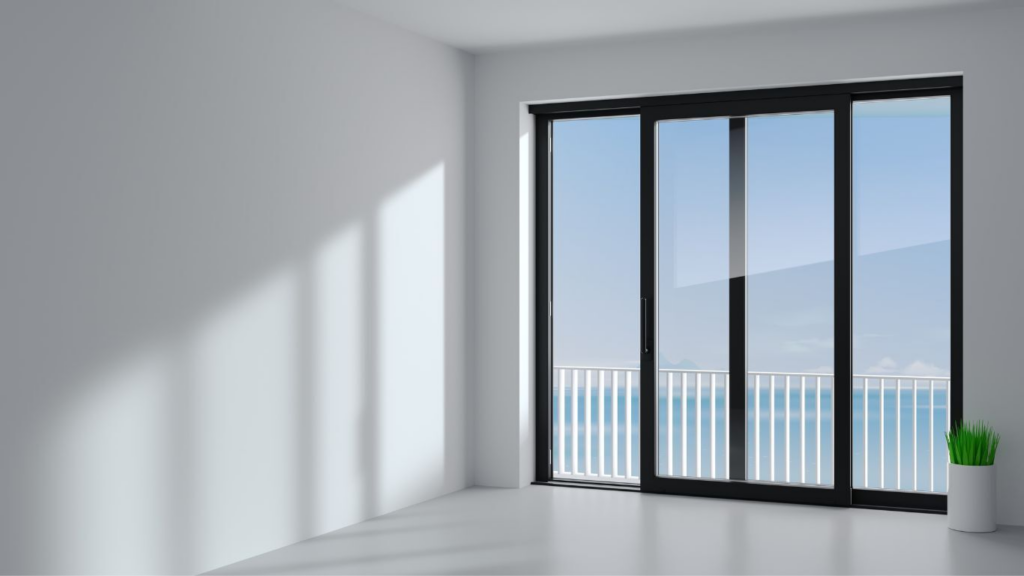
Glass sliding doors can transform the way a Melbourne home looks and functions. They bring natural light into living spaces, improve access to patios and gardens, and create a stronger connection between indoor and outdoor areas.
However, choosing the right system involves more than selecting a stylish glass panel. Glass type, frame material, hardware, energy efficiency, safety, measurements and installation quality can all affect long-term performance.
Glass Sliding Door Installation in Melbourne
Before choosing a door, consider the existing opening, available space, floor level and how the door will be used. Replacing an older door may require different considerations from installing a new system during a renovation.
A professional assessment can identify issues with the opening, structure, drainage, tracks and surrounding frames before installation begins.
Choosing the Right Sliding Door Design
Different configurations can suit different Melbourne homes and floor plans.
Two-Panel Sliding Glass Doors
Two-panel systems typically combine one sliding panel with one fixed panel. They can provide convenient access while requiring less operating space than hinged doors.
Multi-Panel Sliding Doors
Multi-panel systems create wider openings and can be suitable for larger living areas. They are particularly useful where homeowners want a stronger indoor-outdoor connection.
Stacking Sliding Door Systems
Stacking systems allow several panels to move along tracks and sit behind one another when opened. Because larger systems place greater demands on tracks, rollers and frames, accurate installation is particularly important.
Selecting Suitable Glass
The glass affects safety, comfort, appearance, privacy and thermal performance.
Toughened Safety Glass
Toughened glass is commonly used in residential glazing where safety requirements apply. It is processed to increase strength compared with ordinary glass and is designed to break into smaller fragments if it fails.
Laminated Glass
Laminated glass consists of multiple layers bonded together with an interlayer. It can provide additional safety, security and acoustic benefits depending on the application.
Double Glazed Glass
Double glazing uses two panes separated by an insulating space. It can help reduce heat transfer and improve indoor comfort, although the frame and hardware must be suitable for the additional weight.
Low-E and Solar Control Glass
Low-E coatings can help control heat transfer, while solar control or tinted glazing can reduce unwanted solar heat and glare. The most suitable option depends on the home’s orientation and exposure to sunlight.
Energy-Efficient Glass Sliding Doors
Melbourne homes experience both cool winters and hot summer conditions, making thermal performance an important consideration.
Managing Winter Heat Loss
Glass and frames can transfer heat between indoors and outdoors. Suitable glazing, quality frames and effective weather seals can help reduce unwanted heat loss and draughts.
Reducing Summer Heat Gain
Large areas of glass can receive significant sunlight. Glass selection, Low-E coatings, tinting, external shading and the door’s orientation can all influence indoor temperatures.
Aluminium Frames for Sliding Doors
The frame supports the glass and provides structural stability, weather protection and the foundation for the operating hardware.
Thermally Broken Aluminium
Thermally broken aluminium frames include an insulating barrier that reduces heat transfer through the frame. This can be useful when thermal performance is a priority.
Other Frame Materials
uPVC and timber frames are also available for some applications. Each material has different characteristics relating to insulation, appearance, maintenance and durability.
Sliding Door Security and Hardware
A sliding door’s performance depends on more than the glass and frame.
Locks and Handles
Quality locks and handles should be compatible with the door system and provide practical everyday operation. Security should be considered as part of the complete door design.
Rollers and Tracks
Rollers support the moving panel and influence how smoothly the door operates. Tracks need to remain correctly aligned and free from debris to prevent unnecessary wear.
Professional Glass Door Installation
Even a high-quality door can perform poorly if it is incorrectly installed.
Accurate Measurements
Measurements should account for the actual opening, floor levels, wall condition, clearances and existing frames. Older properties may have openings that are no longer perfectly square or level.
Structural Considerations
Large glass doors can be substantial systems. The opening should be assessed to ensure the frame and surrounding structure are suitable for the proposed installation.
Weather Sealing
Correct weather sealing helps minimise draughts and water penetration. Installation should also include checks of drainage, frame alignment, locks, tracks and door movement.
Custom Glass Doors for Melbourne Homes
Custom sliding doors can be useful when standard dimensions do not suit an existing opening. Options may include panel sizes, glass types, frame finishes and hardware.
The best solution should balance appearance with the practical requirements of the property, opening and intended use.
Repair or Replace an Existing Door?
Not every sliding door problem requires complete replacement.
Damaged Glass, Rollers and Tracks
Worn rollers, damaged tracks, faulty locks and deteriorated seals may sometimes be repaired or replaced individually. Damaged glass should always be professionally assessed.
When Replacement Makes Sense
If several components are ageing, the door is difficult to operate, seals are failing or thermal performance is poor, replacing the complete system may be worth considering.
Glass Windows and Whole-Home Glazing
Sliding doors are part of a home’s wider glazing system. Windows, doors and other glazed areas can collectively affect natural light, ventilation, thermal comfort and energy efficiency.
When upgrading one major glazed opening, it can be useful to consider how the new door will perform alongside existing windows.
Other Residential Glazing Applications
Glass sliding doors are only one part of residential glazing. Other applications include glass windows, shower screens, splashbacks and custom glass panels.
Each application requires the correct combination of glass, measurements, framing, hardware and installation methods.
Choosing a Professional Glazing Installer
Before proceeding, ask about the proposed glass type, frame system, measurements, hardware and installation process.
It is also worth discussing weather sealing, safety requirements, maintenance and warranty conditions. A clear installation plan can help ensure the finished door is suitable for the property and intended use.
Practical Checklist
Before choosing a glass sliding door, consider:
- Size and condition of the existing opening
- Two-panel, multi-panel or stacking configuration
- Suitable safety glass
- Thermal and acoustic performance
- Solar control and privacy
- Frame material and thermal performance
- Locks, handles, rollers and tracks
- Weather sealing and drainage
- Repair versus complete replacement
- Professional measurement and installation
Choose Pronto Glass Australia for Glass Sliding Door Installation in Melbourne
Choosing the right sliding glass door involves more than selecting a design. The glass, frame, hardware, measurements and installation method all need to work together to provide safety, smooth operation, weather protection and long-term performance.
If you are planning a new installation or replacing an existing sliding door, Pronto Glass Australia can help you assess the available options for your Melbourne home. Our team provides professional glazing services with a focus on precision, safety and quality workmanship.
Call our team on 0435 359 888 to discuss your glass sliding door installation in Melbourne and arrange a free on-site quote.